
The Homeowner’s Guide to Backyard Artificial Turf Putting Green Layouts
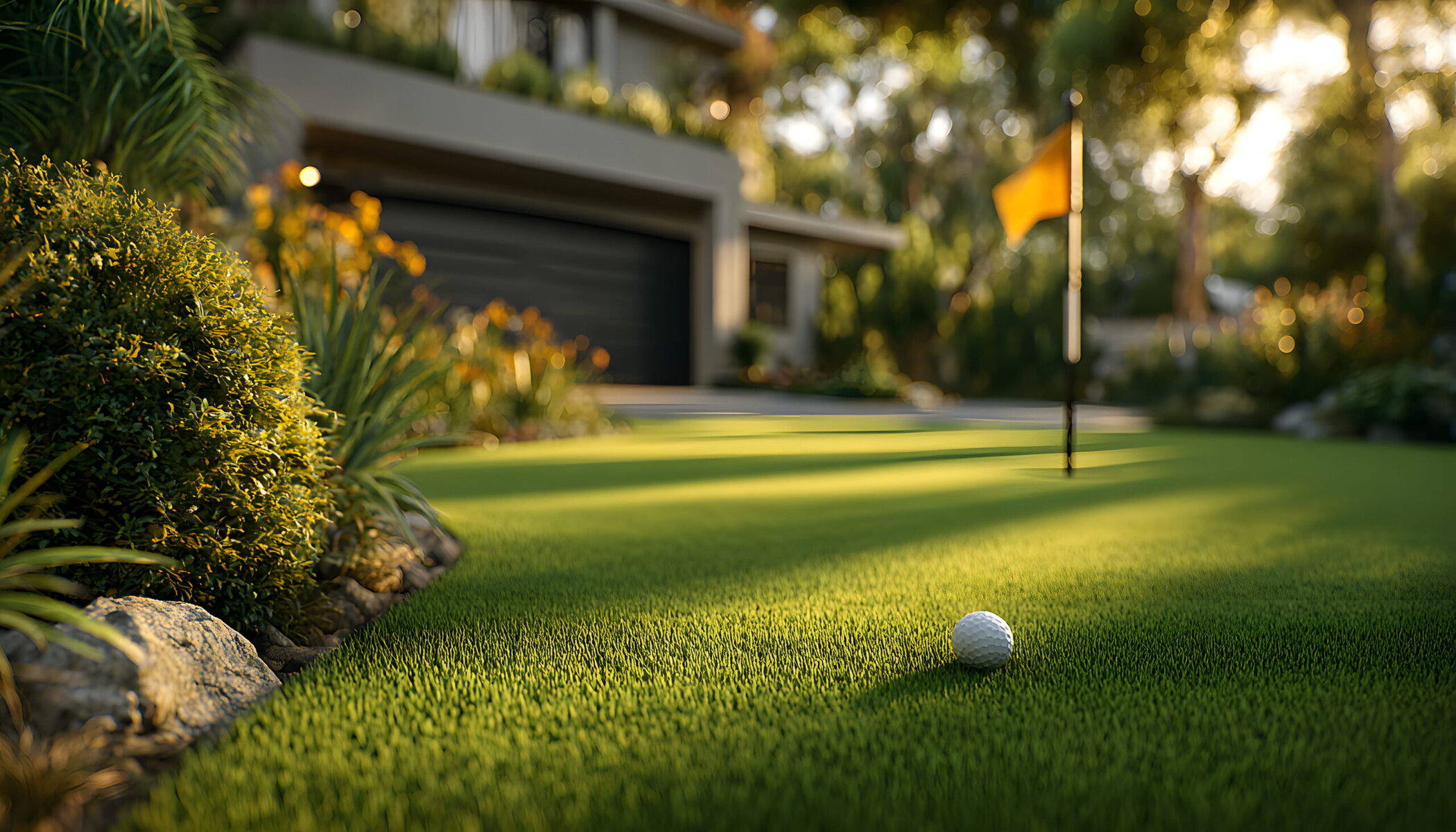
A backyard putting green is one of the most useful and beautiful upgrades an Arizona homeowner can make. You get a place to practice every day, a feature that genuinely improves your game, and an outdoor space that looks like it belongs in a resort. But the layout decision is where most people get stuck. How many holes? What shape? Where does it go in relation to the pool, the patio, or the kids’ play area? This guide walks you through the layout process from start to finish so you can go into your consultation with a clear picture of what you want.
Start With the Space You Actually Have
The first step isn’t picking a shape; it’s being honest about the space available and what it can realistically accommodate. Most backyard putting greens run somewhere between 500 and 2,500 square feet, though smaller greens in the 200 to 400 square foot range are common in tighter yards and still deliver great practice value. The shape of your yard, the position of existing features like pools, patios, and shade structures, and how much of the yard you want to dedicate to the green all factor into what’s possible.
Before your consultation with synthetic grass installers, walk the space and note what’s fixed and what’s flexible. A pool that can’t move is a design constraint. A patio that could be extended or reconfigured is an opportunity. The more context you bring to that first conversation, the more useful the design recommendations will be.
The Most Common Putting Green Layouts
There’s no single right shape for an outdoor putting green. The best layout is the one that fits your yard, suits your practice goals, and integrates well with the rest of the outdoor space. That said, a few layouts come up again and again for good reasons.
The Rectangular Green
This is the simplest layout and works well in narrow side yards or along a fence line. It’s easy to install, easy to maintain, and gives you a consistent practice surface. It’s not the most visually dynamic option, but in the right space it looks clean and intentional. One or two holes is typical for this format.
The L-Shape
An L-shaped green is one of the most practical layouts for backyards with an existing patio or pool taking up one corner. The two wings of the L can be designed at slightly different slopes, which adds variety to your practice and lets you work on putts from different angles. Three to four holes fits comfortably in most L-shaped designs.
The Freeform or Organic Shape
This is the most popular layout for homeowners who want the green to look like a natural part of the landscape rather than a geometric feature dropped into the yard. Curved edges, undulating contours, and irregular shapes that follow the natural flow of the space give this layout its appeal. It works especially well when the artificial turf putting green wraps around a pool, a fire pit, or other landscape elements. Hole count can be highly customized depending on total square footage.
The Island Green
An island green is surrounded on multiple sides by other surfaces, whether that’s concrete, pavers, or decorative rock. It creates a dramatic focal point and works well in yards where the green can sit centrally rather than along a perimeter. This layout is visually striking but requires careful drainage planning during synthetic turf installation.
The Multi-Zone Green
For larger yards and serious golfers, a multi-zone layout separates the putting surface from a chipping area or fringe section. The putting green turf is typically flanked by a slightly longer fringe synthetic turf product, which mirrors the experience of playing on an actual course. This is the layout that turns a backyard feature into a full-blown practice facility.
How Many Holes Do You Actually Need?
More holes isn’t always better. The right number depends on the size of your green and how you plan to use it.
One to two holes works well for small greens under 400 square feet, beginners, or homeowners who primarily want to work on stroke mechanics rather than course simulation. It keeps the layout simple and the green visually uncluttered.
Three to four holes is the sweet spot for most homeowners. It gives you enough variety to stay engaged during practice sessions without requiring a large footprint. You can practice putts of different lengths and from different angles without the green feeling repetitive.
Five or more holes makes sense for larger greens of 1,000 square feet or more, or for homeowners who want a full practice experience that replicates playing a short course. At this scale, working with experienced synthetic grass installers on hole placement and green contouring becomes especially important, since the routing needs to make sense as a sequence, not just as a collection of targets.
Elevation Changes and Contouring
A flat green is functional, but a contoured green is fun. Subtle elevation changes, breaks, and slopes are what make putting practice genuinely challenging and what make the space feel like a real course rather than a carpet laid on a flat surface.
During the design phase of your synthetic grass installation, talk to your installer about what’s possible given your yard’s existing grade. In some cases, the natural slope of the yard can be used to create interesting contours without significant earthwork. In others, shaping the sub-base can introduce intentional breaks and ridges that make the green play differently from different positions.
Keep in mind that too much slope makes putting frustrating rather than challenging. The best contoured greens have subtle, readable breaks that reward good reads and good strokes, not pitches that send every putt off the edge.
Integrating the Green With the Rest of Your Outdoor Space
A putting green that’s designed in isolation from the rest of the yard tends to look like an afterthought. The best installations treat the green as one element in a larger outdoor design, connected to the surrounding space by thoughtful transitions. A few integration approaches that work well:
Pavers or flagstone borders give the green a clean edge and create a visual boundary that separates the putting surface from surrounding artificial grass or hardscape without making the green feel disconnected.
Fringe turf installed around the perimeter of the green using a slightly longer pile product softens the transition between the tight putting surface and the rest of the yard. It also gives you a place to practice chip shots onto the green.
Pool deck putting greens are one of the most popular configurations in Arizona. A putting green that wraps around or sits alongside a pool creates a resort-style atmosphere and makes both features feel like part of a cohesive outdoor living space rather than separate additions.
Shade structures positioned near the green, whether a pergola, sail shade, or extended patio cover, extend the usability of the space during Arizona summers and make practice sessions more comfortable during midday hours.
What to Discuss With Your Installer Before Design Begins
The layout conversation goes better when you come in with some answers ready. Before you sit down with your installer, think through the following:
- How serious is your practice? Are you trying to shave strokes, or is this primarily for enjoyment and entertaining?
- What’s your available square footage, and how much of it do you want dedicated to the green versus other uses?
- Do you want the green to be a focal point of the yard or to blend in as one element among several?
- Are there existing features — e.g., pools, patios, trees, or hardscape — that the design needs to work around?
- What’s your timeline, and are there any phasing opportunities if you want to start smaller and expand later?
A good installer will ask most of these questions anyway, but having thought through the answers in advance makes the design process faster and the outcome more likely to match what you had in mind.
Start Planning Your Backyard Putting Green
The right backyard putting green layout is the one that fits your space, suits your game, and integrates naturally with the outdoor environment around it. Whether you’re working with a compact side yard or a sprawling backyard, there’s a layout that makes sense, and getting that layout right from the start is what separates a green you use every day from one that becomes part of the background.
At Arizona Luxury Lawns, we design and install custom outdoor putting greens throughout the Phoenix metro area. We use high-quality putting green turf and back every installation with our workmanship warranty. If you’re ready to start planning, request a free quote online or call us at 480-991-0196 to talk through your layout ideas.